Introduction to TV App
The term “tvapp” generally refers to modern applications designed for streaming live television, movies, series, sports, and on-demand content directly on digital devices such as smartphones, smart TVs, tablets, and computers. In 2026, TV apps have become one of the most popular ways people consume entertainment, replacing traditional cable TV in many households around the world.
With increasing internet speed, smart device adoption, and affordable data plans, users now prefer streaming content through apps rather than relying on satellite or cable connections. A TV app offers flexibility, allowing viewers to watch content anytime and anywhere. Whether it is live sports, breaking news, or the latest movies, these applications provide instant access with just a few taps.
This article provides a complete overview of tvapp platforms, their features, benefits, types, and how they are changing the future of entertainment.
What is a TV App and How It Works
A TV app is a digital platform that allows users to stream television content over the internet instead of traditional broadcast methods. These apps connect to servers that host video content, delivering it directly to the user’s device through an internet connection.
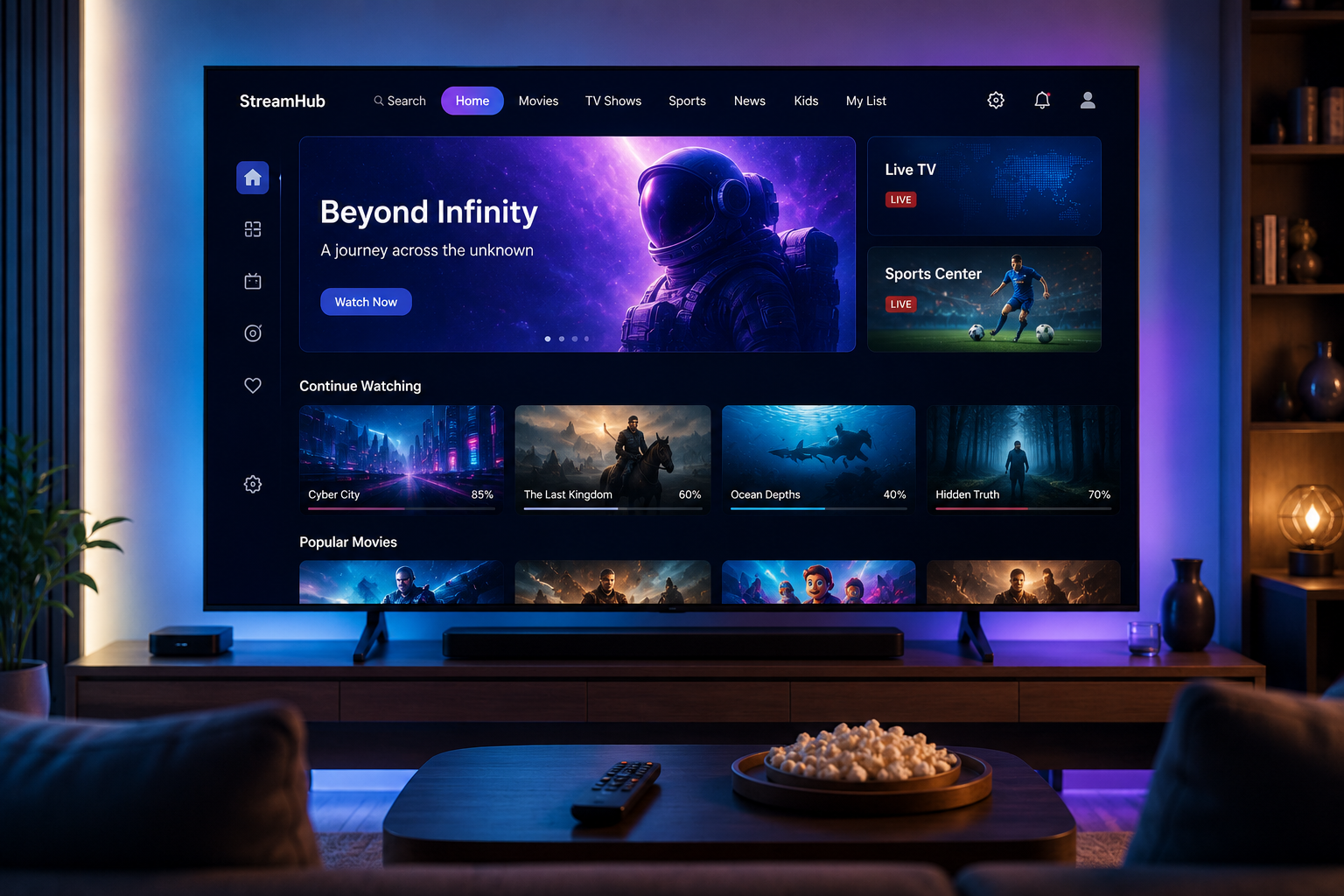
When a user opens a tvapp, they can browse live channels, on-demand movies, TV shows, and sometimes even exclusive digital content. The app uses streaming technology, which breaks video data into small packets and delivers them in real time, allowing smooth playback without needing to download the entire file.
Most TV apps are compatible with multiple platforms including Android, iOS, smart TVs, Fire Stick, and web browsers. This cross-platform support is one of the main reasons behind their global popularity.
Evolution of TV Apps in Digital Entertainment
The development of tvapp platforms has transformed the entertainment industry significantly over the past decade. Earlier, viewers depended on cable television providers with fixed schedules and limited channel options. However, the rise of streaming technology changed everything.
Platforms such as Netflix, Amazon Prime Video, and Disney+ introduced on-demand viewing, allowing users to watch what they want, when they want. Over time, live TV streaming apps also emerged, offering real-time broadcasts of sports, news, and entertainment channels.
By 2026, TV apps have become highly advanced, offering AI-based recommendations, ultra-HD streaming, personalized watchlists, and multi-device synchronization. This evolution reflects the growing demand for flexible and user-friendly entertainment solutions.
Key Features of Modern TV Apps
Modern tvapp platforms come with a wide range of features designed to enhance user experience. One of the most important features is live streaming, which allows users to watch television channels in real time without delays.
Another major feature is video-on-demand (VOD), which gives access to a library of movies, series, and documentaries that can be watched anytime. Many TV apps also include cloud DVR functionality, enabling users to record live content and watch it later.
Personalization is another important feature. TV apps analyze user behavior and suggest content based on viewing history. This makes it easier for users to discover new shows and movies that match their interests.
Types of TV Apps Available in 2026
There are several types of tvapp platforms available in the market today, each serving different user needs. The first category is live TV apps, which focus on streaming real-time television channels such as news, sports, and entertainment networks.
The second category includes on-demand streaming apps, which provide libraries of movies and series that can be watched at any time. These are popular among users who prefer flexibility and binge-watching content.
The third category is hybrid TV apps, which combine both live TV and on-demand content in one platform. These apps are becoming increasingly popular because they offer a complete entertainment solution.
Benefits of Using TV Apps
One of the biggest advantages of using a tvapp is convenience. Users can access content anytime without being tied to a specific broadcast schedule. This flexibility is especially useful for people with busy lifestyles.
Another benefit is cost-effectiveness. Many TV apps are more affordable than traditional cable subscriptions, and some even offer free content supported by ads. This makes entertainment more accessible to a wider audience.
TV apps also provide a wider range of content compared to traditional television. Users can access international channels, niche content, and exclusive digital series that are not available on cable TV.
Devices Compatible with TV Apps
One of the strengths of modern tvapp platforms is their compatibility with multiple devices. Smartphones are the most commonly used devices for streaming due to their portability and ease of use.
Smart TVs also support TV apps, allowing users to enjoy content on larger screens with better picture quality. Devices such as Amazon Fire Stick, Android TV boxes, and Apple TV further enhance the streaming experience.
Additionally, most TV apps can be accessed through web browsers on laptops and desktop computers, making them highly versatile and user-friendly.
Challenges Faced by TV Apps
Despite their popularity, tvapp platforms face several challenges. One of the main issues is internet dependency. Since streaming requires a stable internet connection, users in areas with poor connectivity may experience buffering or low-quality playback.
Another challenge is content licensing restrictions. Some TV apps cannot offer certain shows or channels in specific regions due to copyright agreements, limiting availability for users.
Security and piracy concerns also affect the industry. Some unauthorized TV apps distribute copyrighted content illegally, which creates legal and ethical issues in the digital entertainment space.
Future of TV Apps and Streaming Industry
The future of tvapp technology looks highly promising as the demand for digital entertainment continues to grow. With advancements in artificial intelligence, 5G connectivity, and cloud computing, TV apps are expected to become even more efficient and personalized.
In the coming years, we may see more immersive experiences such as virtual reality streaming and interactive content. AI-driven recommendations will become more accurate, helping users discover content faster and more efficiently.
The integration of smart home devices will also enhance the TV app experience, allowing users to control playback using voice commands and automation systems.
Conclusion on TV App Technology
The rise of tvapp platforms has completely transformed how people consume entertainment. From live TV streaming to on-demand movies and personalized recommendations, these apps offer a complete digital entertainment solution.
As technology continues to evolve, TV apps will become even more advanced, offering better quality, more content, and improved user experiences. For modern users, TV apps are no longer just an option—they are becoming the primary way to access entertainment in 2026 and beyond.